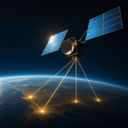
Honda just made its first major play in the space race. The automotive giant partnered with lunar startup Astrobotic to solve one of the moon's biggest challenges - keeping the lights on during brutal two-week nights that hit -424°F. Their solution? A closed-loop fuel cell system that could finally enable 24/7 lunar operations.
Honda just shifted gears from Earth to space. The Japanese automaker announced Monday it's teaming up with Pittsburgh-based Astrobotic to tackle the moon's most brutal challenge - surviving two weeks of darkness where temperatures plunge to -424°F and solar panels become useless decorations.
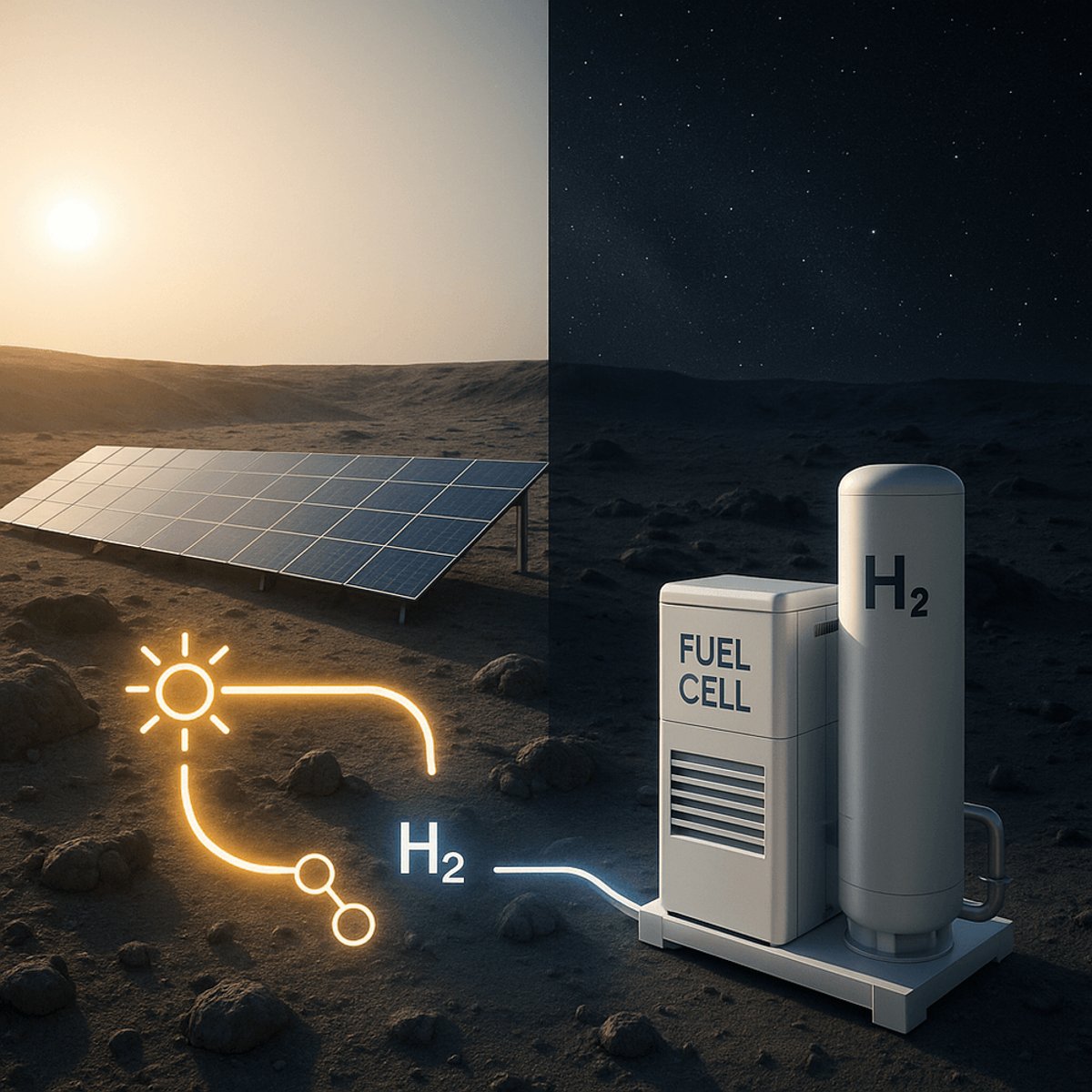
The partnership centers on Honda's regenerative fuel cell technology, which the company believes could be the key to continuous lunar power. During the 14-day lunar day, the system would store solar energy as hydrogen. When night falls and temperatures drop to bone-chilling extremes, those fuel cells convert the hydrogen back into electricity, producing only water as a byproduct.
"That water is then recycled into a high-pressure electrolysis system to create more hydrogen, forming what Honda calls 'a closed-loop energy cycle,'" according to the companies' joint announcement. It's elegantly simple - and potentially game-changing for lunar exploration.
Astrobotic brings its own tech to the table with LunaGrid, a scalable power service built around its Vertical Solar Array Technology (VSAT). These arrays track the sun for maximum energy capture and can generate up to 10 kilowatts - with an XL version in development that would pump out five times more power. Together, VSAT would feed Honda's electrolysis system during the day, while the fuel cells keep operations running through the night.
For Honda, this marks a notable leap into space after years of fuel cell research and development. The automaker has been quietly perfecting this technology for terrestrial use, but this partnership represents its first public commitment to lunar applications. It's also perfectly timed with Japan's growing space ambitions - the country is a founding member of NASA's Artemis Accords and regularly sends astronauts to the International Space Station.
Astrobotic, meanwhile, is looking to bounce back from its Peregrine lunar lander setback earlier this year. The mission launched successfully but failed to complete its lunar landing, a reminder of how challenging space exploration remains. The company, founded in 2007, has been steadily building out what it calls "a lunar economy" through power and mobility systems.
The collaboration couldn't be more strategically positioned. NASA's Artemis program is laser-focused on the lunar south pole, partly because of the region's near-continuous sunlight exposure and potential water ice reserves. Reliable power systems like this Honda-Astrobotic combo could be the foundation for more ambitious missions and eventually a sustained human presence on the moon.
The timing also reflects broader industry momentum. Private companies are racing to solve fundamental lunar infrastructure challenges, from power generation to communication networks. SpaceX is handling transportation, while companies like Astrobotic tackle the nuts and bolts of actually living and working on the lunar surface.
What makes Honda's approach particularly intriguing is the closed-loop design. Unlike traditional battery systems that would require regular replacement or complex supply chains, this fuel cell system essentially runs on lunar resources - sunlight and the water it produces. That self-sufficiency could be crucial for long-term lunar operations where resupply missions are expensive and infrequent.
The companies plan to conduct "illumination studies" at potential south pole landing sites and evaluate how well their integrated system scales. They'll also test hardware and software integration - the unglamorous but critical work of making sure everything actually works together in the harsh lunar environment.
This partnership represents more than just another space collaboration - it's a glimpse of how lunar infrastructure might actually work. Honda's automotive expertise in fuel cells, combined with Astrobotic's space systems know-how, could solve one of the moon's most fundamental problems. If they can crack continuous power generation, it opens the door to everything from permanent lunar bases to industrial mining operations. The real test will be whether their elegant closed-loop system can survive the moon's extreme conditions and deliver on its promise of 24/7 power.