Microsoft just made its first major carbon removal bet on India, signing a deal with Bangalore-based Alt Carbon that positions the country as an emerging force in climate tech. The agreement, which followed over a year of rigorous scientific review, marks a watershed moment for India's nascent carbon removal industry and reflects how Big Tech's climate commitments are reshaping global markets. Microsoft's move comes as enterprise demand for verifiable carbon credits intensifies and traditional offset markets face mounting scrutiny.
Microsoft is betting big on India's carbon removal potential. The Redmond giant's partnership with Alt Carbon represents more than just another line item in its sustainability ledger - it's a signal that India has arrived as a serious player in the global race to scrub CO2 from the atmosphere.
The deal didn't come easy. Alt Carbon disclosed that Microsoft put the startup through more than a year of scientific review and due diligence, demanding additional verification protocols and data-sharing measures that went beyond standard industry practice. That scrutiny reflects the high stakes involved as companies like Microsoft face increasing pressure to back carbon removal methods that actually work, not just look good in ESG reports.
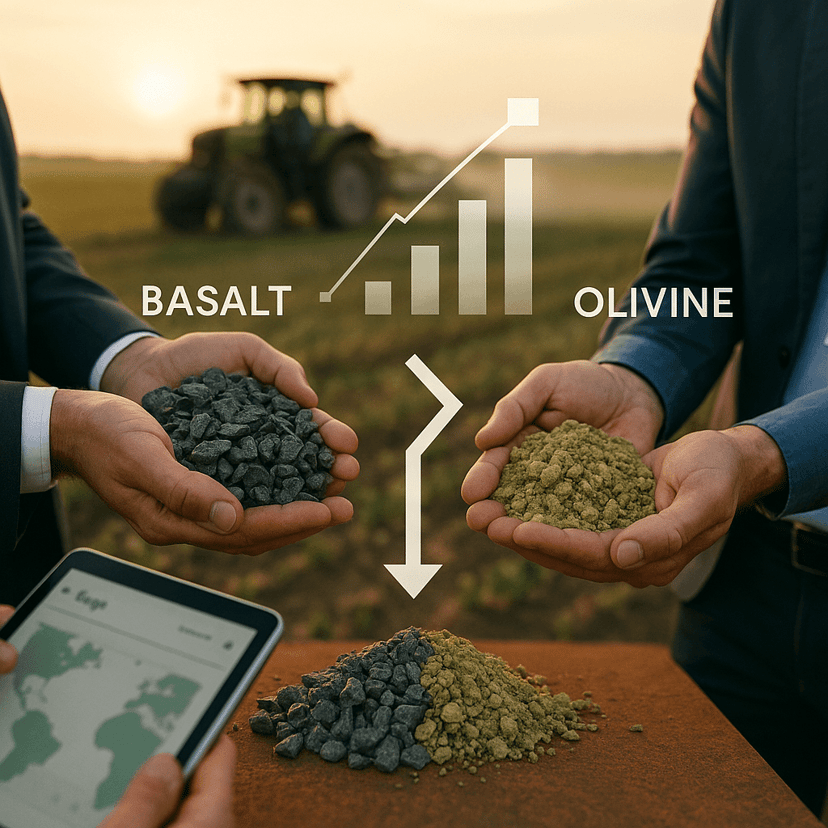
Alt Carbon specializes in enhanced rock weathering, a carbon removal approach that accelerates natural geological processes. The startup spreads crushed basalt rock across agricultural land, where it reacts with CO2 in the air and locks it away as stable minerals. It's less flashy than direct air capture facilities but potentially more scalable and cost-effective, especially in countries with vast agricultural landscapes like India.
Microsoft has been one of the most aggressive corporate buyers of carbon removal credits, committing to become carbon negative by 2030. The company previously backed projects from established players like Climeworks in Europe and various biochar initiatives in North America. But this marks its first major move into India's carbon removal market, which has been gaining momentum as local startups demonstrate they can deliver verified removals at competitive prices.
The timing matters. Traditional carbon offset markets have faced a credibility crisis as investigations revealed that many forest protection and renewable energy credits don't deliver the climate benefits they promise. That's pushed sophisticated corporate buyers toward carbon removal - actually taking CO2 out of the atmosphere rather than just avoiding emissions. Enhanced rock weathering offers permanent storage, addressing one of the key weaknesses of nature-based offsets that can reverse if forests burn or die.
For India, the Microsoft deal validates years of effort to build a climate tech ecosystem. The country has natural advantages in carbon removal, including abundant agricultural land, low labor costs, and access to basalt deposits from the Deccan Traps, one of the world's largest volcanic rock formations. Indian startups have been pitching these advantages to international buyers, but struggled to overcome concerns about measurement, reporting, and verification standards.
Alt Carbon's success in satisfying Microsoft's requirements could open the floodgates. Other Indian carbon removal startups working on biochar, ocean alkalinity enhancement, and soil carbon sequestration have been watching this deal closely. If Alt Carbon can deliver verified removals that meet Microsoft's standards, it proves the model works and makes it easier for others to attract enterprise buyers.
The financial terms weren't disclosed, but carbon removal credits typically trade between $100-600 per ton depending on the method and verification level. Enhanced rock weathering generally falls on the lower end of that range, making it attractive to corporate buyers looking to scale their carbon removal portfolios without breaking the bank. Microsoft's Climate Innovation Fund has invested over $1 billion in climate solutions, so even a smaller deal represents meaningful validation for Alt Carbon.
Industry observers note that Microsoft's rigorous approach - demanding extra verification and data transparency - could help establish new standards for the carbon removal market. As more enterprise buyers enter the space, they're looking for precedents on how to evaluate suppliers and structure deals. Microsoft's playbook with Alt Carbon may become a template others follow.
The partnership also highlights how climate commitments are reshaping tech supply chains. Microsoft isn't just buying carbon credits as a standalone transaction - it's building long-term relationships with carbon removal suppliers, similar to how it sources cloud infrastructure or semiconductors. That strategic approach suggests carbon removal is becoming core business infrastructure, not just a compliance exercise.
Microsoft's Alt Carbon partnership marks a turning point for India's climate tech ambitions and the broader carbon removal industry. By proving that Indian startups can meet the verification standards of the world's most demanding corporate buyers, the deal opens new markets and validates enhanced rock weathering as a scalable removal method. For Microsoft, it's another step toward its carbon negative goal while diversifying its supplier base beyond established Western players. The real test comes next - whether Alt Carbon can deliver verified removals at scale and whether other Indian startups can replicate its success in attracting enterprise buyers who are finally putting serious money behind permanent carbon removal.