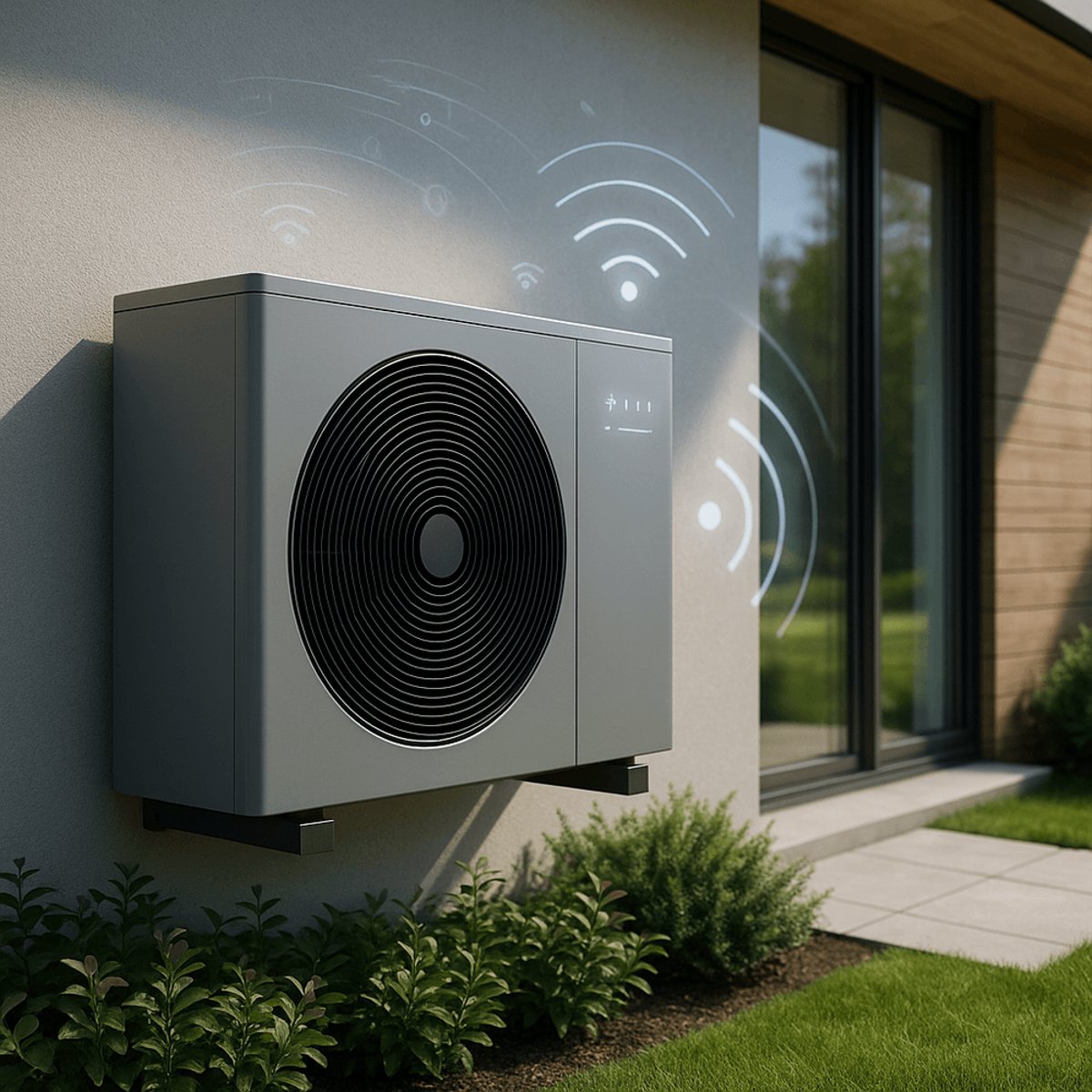
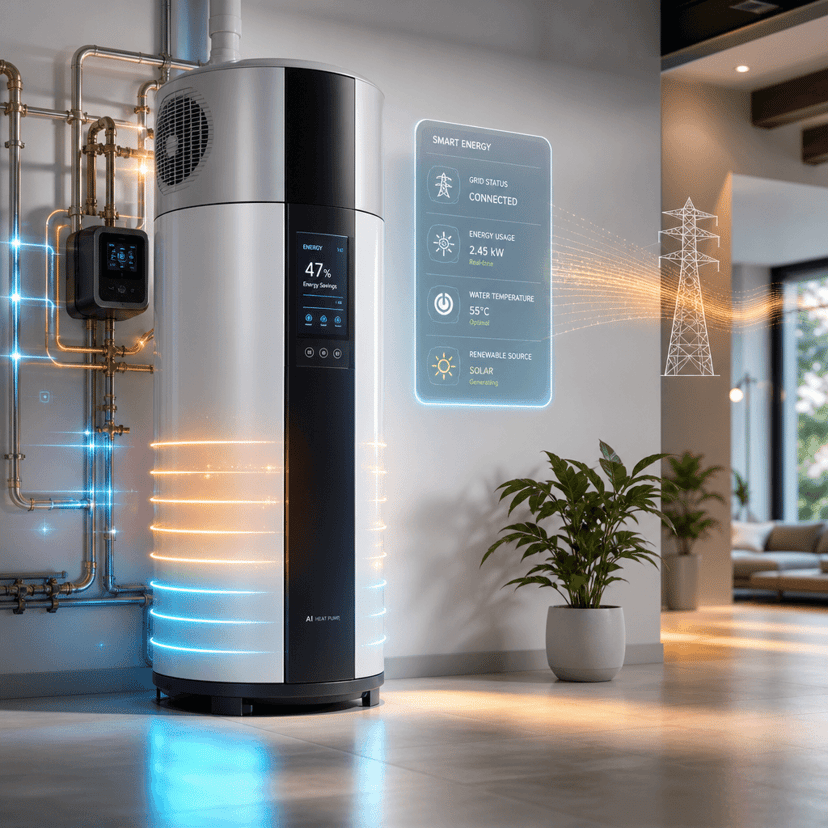
Quilt, the Redwood City startup making designer heat pumps, just closed a $20 million Series B to accelerate nationwide expansion. With nearly 1,000 units already installed across 16 states and five Canadian provinces, the company's betting big on over-the-air software updates and premium design to crack the entrenched HVAC market. The funding comes just eight months after their $33 million Series A, signaling strong investor confidence in their tech-first approach to home climate control.
Quilt just proved that even the stodgy HVAC industry can't resist a good tech disruption story. The Redwood City startup closed a $20 million Series B this week, barely eight months after announcing their $33 million Series A back in April. That's the kind of fundraising velocity you see when investors smell serious market traction.
The round was led by Energy Impact Partners and Galvanize, with participation from Alumni Ventures, Gradient Ventures, Incite Ventures, and Lowercarbon Capital. Veery Maxwell from Galvanize is joining the board alongside former Nest CFO Tom vonReichbauer - a move that makes perfect sense given how many ex-Nest employees founded Quilt.
CEO Paul Lambert dropped the key metric in a company blog post: nearly 1,000 units installed across 16 US states and five Canadian provinces. For a premium heat pump startup that launched just a few years ago, those are impressive penetration numbers in a market dominated by decades-old incumbents like Carrier and Trane.
But here's what really sets Quilt apart from traditional HVAC players - they're treating heat pumps like connected devices, not just mechanical equipment. The company recently pushed an over-the-air software update that boosted performance on already-installed units by more than 20%. Try getting that from your old furnace.
The climate tech timing couldn't be better. Heat pumps are having their moment as homeowners look for efficient alternatives to gas heating, especially in states rolling out electrification incentives. Tesla proved you can make cars sexy with software; Quilt's betting they can do the same for home climate control.
Their design-first approach is already paying off. While traditional heat pump manufacturers focus on utility and price, Quilt built sleek, customizable units that actually look good on the side of a house. It's the kind of premium positioning that worked for Nest thermostats and could unlock higher margins in commoditized HVAC.
The Series B capital will fund geographic expansion beyond their current 21-region footprint. Lambert's team is clearly preparing for a national rollout, which means going head-to-head with entrenched HVAC distributors and installers who've been doing business the same way for decades.
Investor interest in climate hardware has been choppy lately, with some clean tech startups struggling to scale manufacturing. But Quilt's nearly 1,000 installations suggest they've cracked the production and installation challenges that trip up many hardware companies. The fact that they're already operating across multiple states and provinces shows operational maturity beyond typical early-stage startups.
The company's software-centric approach also opens up recurring revenue opportunities that traditional HVAC manufacturers can't match. Over-the-air updates, predictive maintenance, and energy optimization services could generate ongoing income streams long after initial installation.
With two substantial funding rounds in less than a year, Quilt's positioning itself as the clear leader in premium residential heat pumps. The question now is whether they can maintain their tech-forward edge while scaling to compete with massive incumbents on price and distribution reach.
Quilt's rapid Series B raise signals investors see real potential in premium heat pumps with software smarts. With nearly 1,000 units already humming across North America and proven ability to boost performance through over-the-air updates, the startup has the traction to take on HVAC giants. The bigger test will be scaling their design-forward approach while keeping costs competitive enough for mainstream adoption. If they pull it off, home heating could finally get the tech upgrade it desperately needs.