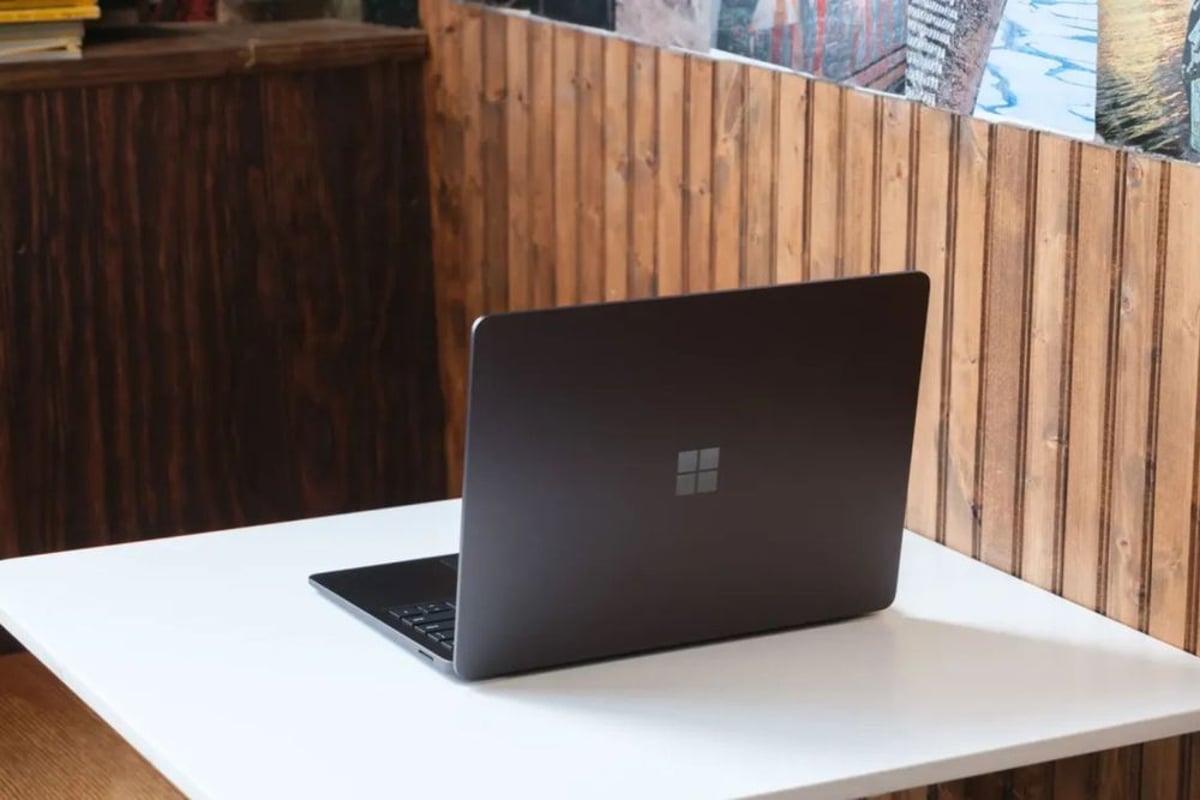
Microsoft is gearing up to launch refreshed Surface Pro and Surface Laptop models in the coming months, marking a significant shift in both display technology and launch strategy. According to reports from Windows Central, the company will introduce its first OLED-equipped Surface Laptop while reversing its recent tradition of prioritizing Qualcomm chips - a change driven by supply constraints that's reshaping the premium Windows laptop market.
Microsoft is shaking up its Surface lineup with a display upgrade that's been years in the making. The company plans to introduce OLED screens to the Surface Laptop for the first time, according to Windows Central, bringing the premium display technology to its flagship consumer laptop line. But the real story here isn't just about better screens - it's about how chip shortages are forcing Microsoft to completely rethink its launch strategy.
The Redmond giant will reportedly roll out new Surface Pro and Surface Laptop models in two waves. First up are devices powered by Intel's Core Ultra 3 chips, expected to hit shelves in the coming months. Then, later this summer, Microsoft will follow with versions running Qualcomm's Snapdragon X2 processors. This represents a notable reversal from recent years, when Microsoft has consistently prioritized Qualcomm-powered devices for its initial consumer launches.
The reason? Qualcomm's latest chips are in short supply. The scarcity of Snapdragon X2 processors is forcing Microsoft's hand, pushing the company to lean on its longtime partner Intel to fill the gap. It's a telling sign of how supply chain dynamics continue to dictate product strategies, even as the industry moves further past the acute shortages of 2021 and 2022.
For Microsoft, the OLED addition marks a significant hardware upgrade that puts the Surface Laptop on more competitive footing with rivals. Apple has offered Mini-LED and Liquid Retina XDR displays on MacBook Pros for years, while premium Windows laptops from Dell, Lenovo, and others have increasingly adopted OLED panels. Microsoft's move closes a visual quality gap that's become harder to ignore as competitors tout superior contrast ratios and color accuracy.
The dual-chip strategy also reflects Microsoft's broader bet on Arm architecture for Windows. Despite the supply constraints, the company remains committed to Qualcomm-powered devices - a partnership that's become central to Microsoft's vision for more efficient, AI-capable Windows PCs. The Snapdragon X2 represents the next generation of that collaboration, promising improved performance and better battery life compared to the X Elite chips in current Surface devices.
But launching Intel versions first introduces some complexity. Consumers shopping for a new Surface this spring will face a choice: buy an Intel model now with established app compatibility, or wait for potentially more efficient Qualcomm variants that might arrive months later. That decision becomes even trickier if both chip options are available with the new OLED displays.
The timing puts Microsoft in an interesting position as the Windows laptop market heats up. Competitors aren't standing still - Dell recently refreshed its XPS lineup, while Lenovo and HP continue pushing premium 2-in-1 devices. Microsoft needs these new Surface models to land well, especially as the company tries to maintain its reputation for building aspirational Windows hardware that pushes the industry forward.
What remains unclear is pricing. OLED panels typically command a premium, and Microsoft's Surface devices already sit at the higher end of the Windows laptop spectrum. If the company prices these new models too aggressively, it risks narrowing its addressable market even further. But price them too conservatively, and margins could suffer on what's meant to be flagship hardware.
The staggered launch also raises questions about Microsoft's production planning. Is the company manufacturing both Intel and Qualcomm versions simultaneously, or will it shift production capacity as chip availability changes? These aren't just logistical puzzles - they affect inventory management, retail partnerships, and ultimately whether Microsoft can meet demand if one version proves significantly more popular than the other.
Microsoft's OLED Surface Laptop represents more than a display upgrade - it's a window into how even tech giants must adapt to supply chain realities. The two-stage launch strategy shows Microsoft balancing its Arm ambitions with practical constraints, while the OLED addition signals the company isn't conceding the premium laptop space to Apple or ambitious Windows OEMs. Whether consumers will wait for Qualcomm versions or snap up Intel models first will say a lot about how much chip architecture really matters to mainstream buyers. For now, Microsoft is betting it can have it both ways, even if that means launching the same product twice.