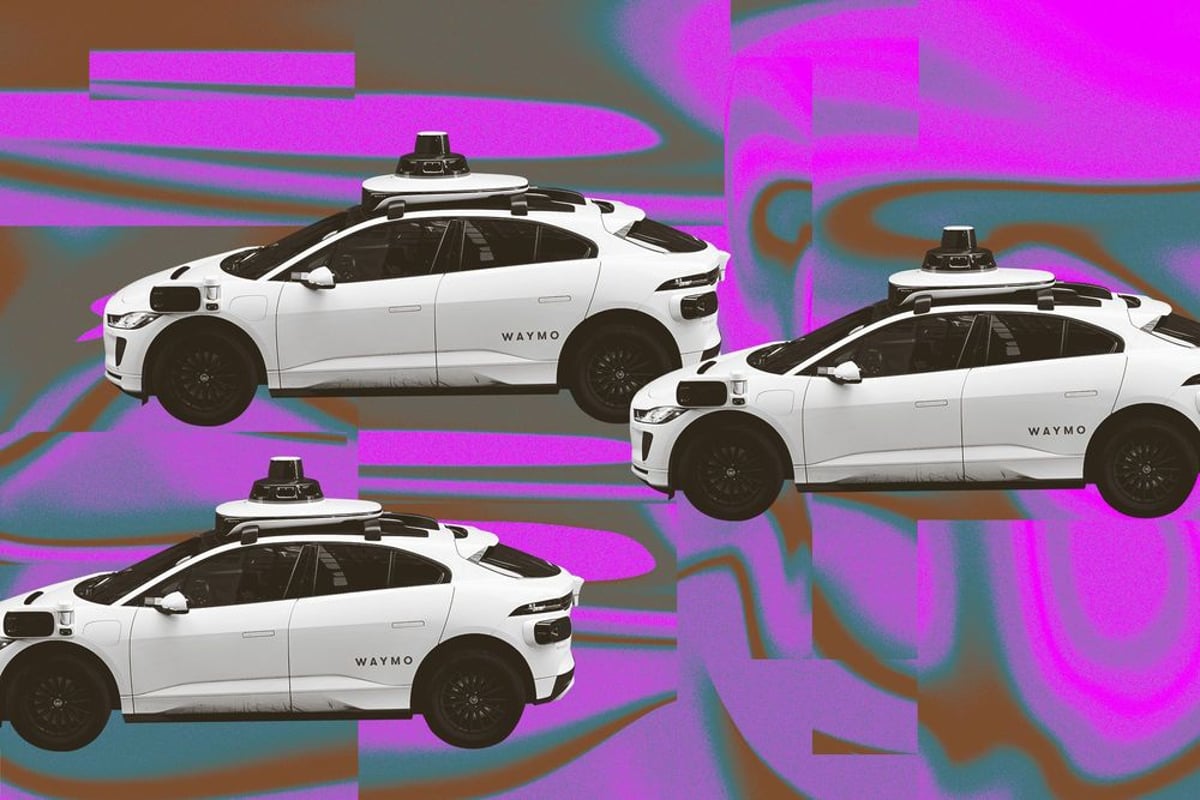
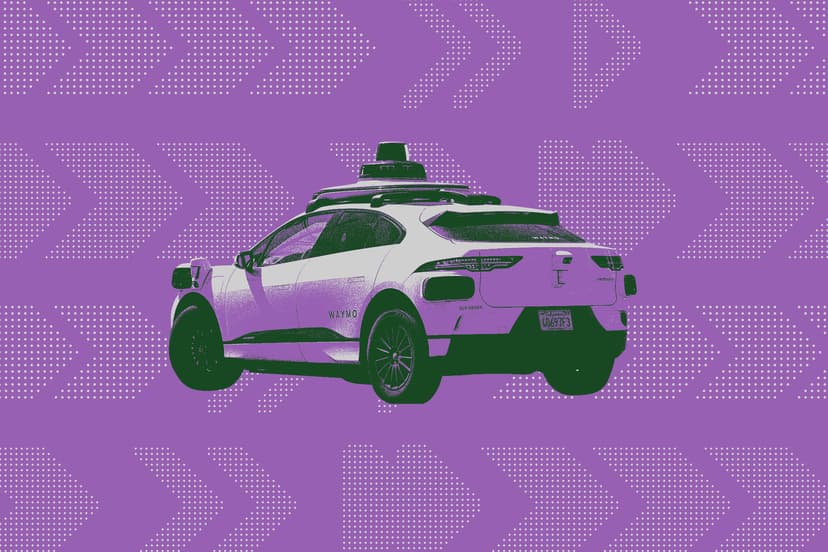
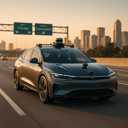
Waymo just made its boldest move yet - the Google subsidiary announced today it's bringing fully driverless robotaxis to London in 2026, marking the company's first international expansion. This puts London's iconic black cabs on notice as autonomous vehicles prepare to reshape one of the world's most traditional taxi markets.
Waymo is crossing the Atlantic. The Alphabet-owned autonomous vehicle company dropped major news today, announcing plans to launch fully driverless robotaxis in London starting in 2026. It's a watershed moment that marks the company's first foray beyond American streets and puts London's legendary black cab industry squarely in the crosshairs.
The timing couldn't be more strategic. The UK currently has exactly zero fully autonomous vehicles operating on public roads, creating a clean slate for Waymo to establish dominance. While the British government has committed to piloting driverless ridehail services in spring 2026, the Automated Vehicles Act of 2024 won't fully take effect until late 2027, giving Waymo a crucial head start.
But Waymo isn't waiting until 2026 to make its move. The company will start deploying supervised robotaxis - with safety drivers behind the wheel - for data collection in London within the next few weeks. It's the same playbook that made Waymo the undisputed leader in San Francisco, Phoenix, and Los Angeles, where the company has logged tens of millions of autonomous miles.
The London operation will follow Waymo's proven business model. When commercial service launches next year, customers will hail rides through Waymo's own app, with the fleet maintained by Moove, the mobility-focused fleet services company that already manages Waymo's vehicles in Phoenix, Austin, and soon Miami. It's a partnership that's proven its worth - Moove provides not just maintenance but a range of financial products tailored to mobility companies.
This London launch has been in the works for months. The Telegraph reported last month that Waymo had quietly begun hiring in the UK capital, posting jobs for a "fleet readiness lead" and various engineers. The company points to existing "strong ties" in the UK through engineering hubs in London and Oxford, where teams work on large-scale, closed-loop simulation - what Waymo calls "a gold standard development method for fully autonomous driving technology."
London won't actually be Waymo's first overseas deployment. The company recently shipped two dozen Jaguar SUVs to Tokyo for small-scale trials, though it hasn't committed to launching commercial service there. The London announcement represents something far more significant - a full commercial rollout with the infrastructure and partnerships needed for scale.
Competition is already brewing. Uber has announced plans to work with UK-based autonomous driving startup Wayve on testing driverless cars in London next year. Wayve might have home field advantage, but Waymo brings something no competitor can match - years of real-world autonomous driving experience across multiple major cities.
The broader strategy here is clear. Waymo has spent years perfecting its technology in the controlled environments of American cities, amassing the data and operational expertise needed to expand globally. The company tests vehicles in numerous cities where it may never launch commercial service, using each new environment to validate how well its systems adapt after training on tens of millions of miles in core markets.
London represents the ultimate test case - a dense, historic city with complex traffic patterns, narrow streets, and a deeply entrenched taxi culture. If Waymo can crack London, it can crack anywhere. And with regulatory approval coming online just as Waymo arrives, the timing suggests this isn't just expansion - it's the beginning of autonomous vehicles going global.
Waymo's London expansion isn't just about adding another city to its roster - it's proof that autonomous vehicles are ready to go global. By choosing London as its international debut, Waymo is betting it can navigate one of the world's most challenging urban environments while competing head-to-head with both traditional black cabs and emerging local competitors. If successful, London becomes the blueprint for Waymo's worldwide rollout, transforming urban transportation far beyond Silicon Valley's testing grounds.